


 Home
Home
 Solution
 Case Studies
 Blogs
Blogs


- Web Development
Website Security Basics Every Business Owner Should Know

Website Security Basics Every Business Owner Should Know
Website security is often viewed as a technical responsibility, but it directly impacts every business. A compromised website can result in lost customer trust, stolen data, search engine penalties, and costly downtime. Understanding the fundamentals helps business owners protect their online presence and reduce unnecessary risks.
Why This Matters Beyond "Getting Hacked"
A security breach affects more than just your website. Customer information can be exposed, browsers may flag your site as unsafe, and search engines can reduce or remove your visibility. Recovering from an attack often requires significant time, money, and effort to rebuild customer confidence.
SSL Certificates Are Non-Negotiable
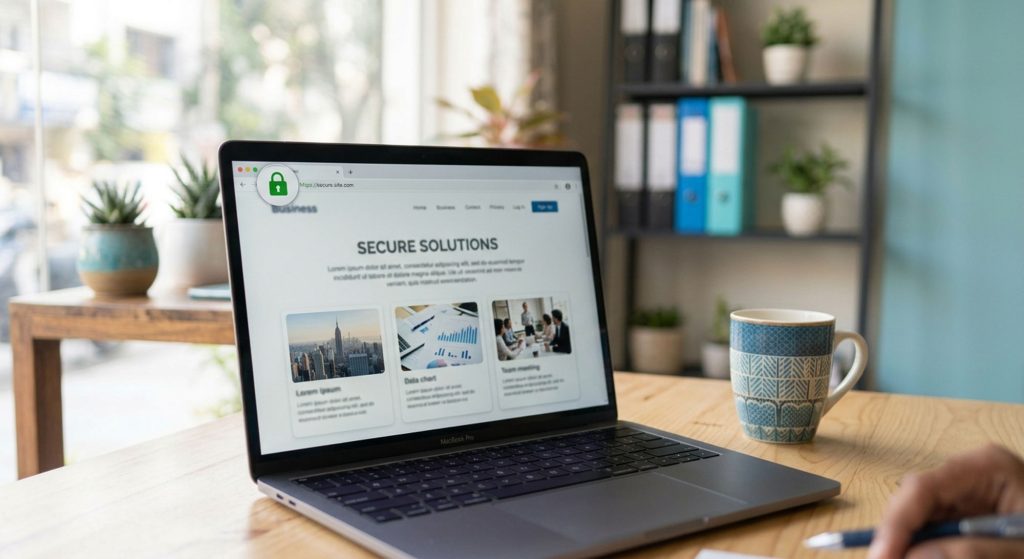
An SSL certificate encrypts information exchanged between your website and visitors. It enables HTTPS, displays the familiar padlock icon, and protects sensitive information during transmission. Websites without SSL appear untrustworthy and may suffer lower search engine rankings.
Keep Your Platform and Plugins Updated
Outdated software is one of the most common causes of website compromises. Whether you use WordPress or another content management system, keeping the core platform, themes, and plugins updated helps eliminate known security vulnerabilities before attackers can exploit them.
Use Strong, Unique Passwords and Limit Access
Weak or reused passwords make websites easier to compromise. Use strong, unique passwords for every administrator account, enable two-factor authentication whenever possible, and limit administrative access to only those who genuinely require it.
Back Up Your Website Regularly
Automated backups provide a reliable safety net. Store backups separately from your live server so you can restore your website quickly after a cyberattack, accidental deletion, or server failure without losing valuable business data.
Be Cautious With Third-Party Plugins and Integrations
Every additional plugin increases your website's potential attack surface. Install only trusted, actively maintained plugins, remove unused extensions, and regularly review third-party integrations to reduce security risks and improve overall website performance.
Understand Data Privacy Obligations
If your website collects customer information, you are responsible for protecting it. Secure storage practices, a transparent privacy policy, and compliance with applicable data protection regulations help safeguard customer information while strengthening trust in your business.
Monitor for Unusual Activity
Early detection can prevent a minor issue from becoming a major incident. Watch for unexpected administrator logins, unfamiliar files, suspicious traffic spikes, or unusual website behavior. Many hosting providers and website security tools offer monitoring features that make this process easier.
What to Do If You Suspect a Compromise
Respond immediately if you believe your website has been compromised. Change all administrator passwords, temporarily restrict website access if necessary, restore from a clean backup when appropriate, and work with a qualified security professional to identify and eliminate the root cause of the breach.
Security Is Ongoing, Not a One-Time Setup
Website security requires continuous attention. Regular updates, security monitoring, backups, and periodic audits help protect your website as new threats emerge. Treating security as an ongoing process greatly reduces long-term business risk.
A Reasonable Starting Point
You don't need to become a cybersecurity expert. Understanding these essential security practices allows you to ask the right questions, choose reliable hosting and development partners, and ensure someone is actively maintaining your website's security over time.
Not sure if your website's security is properly maintained?
Our website security specialists can perform a comprehensive security audit, strengthen your website against common threats, implement ongoing monitoring, and provide proactive maintenance to keep your business protected.
Book Free Consultation


